From the Water to the Table

Fresh Catch.
Real Recipes.
No Fuss.

Walleye recipes, trout, pike, perch, bluegill, and catfish — Hook and Skillet is your go-to source for easy freshwater fish recipes and fishing cooking guides for anglers and home cooks.

Featured Freshwater Fish Recipes

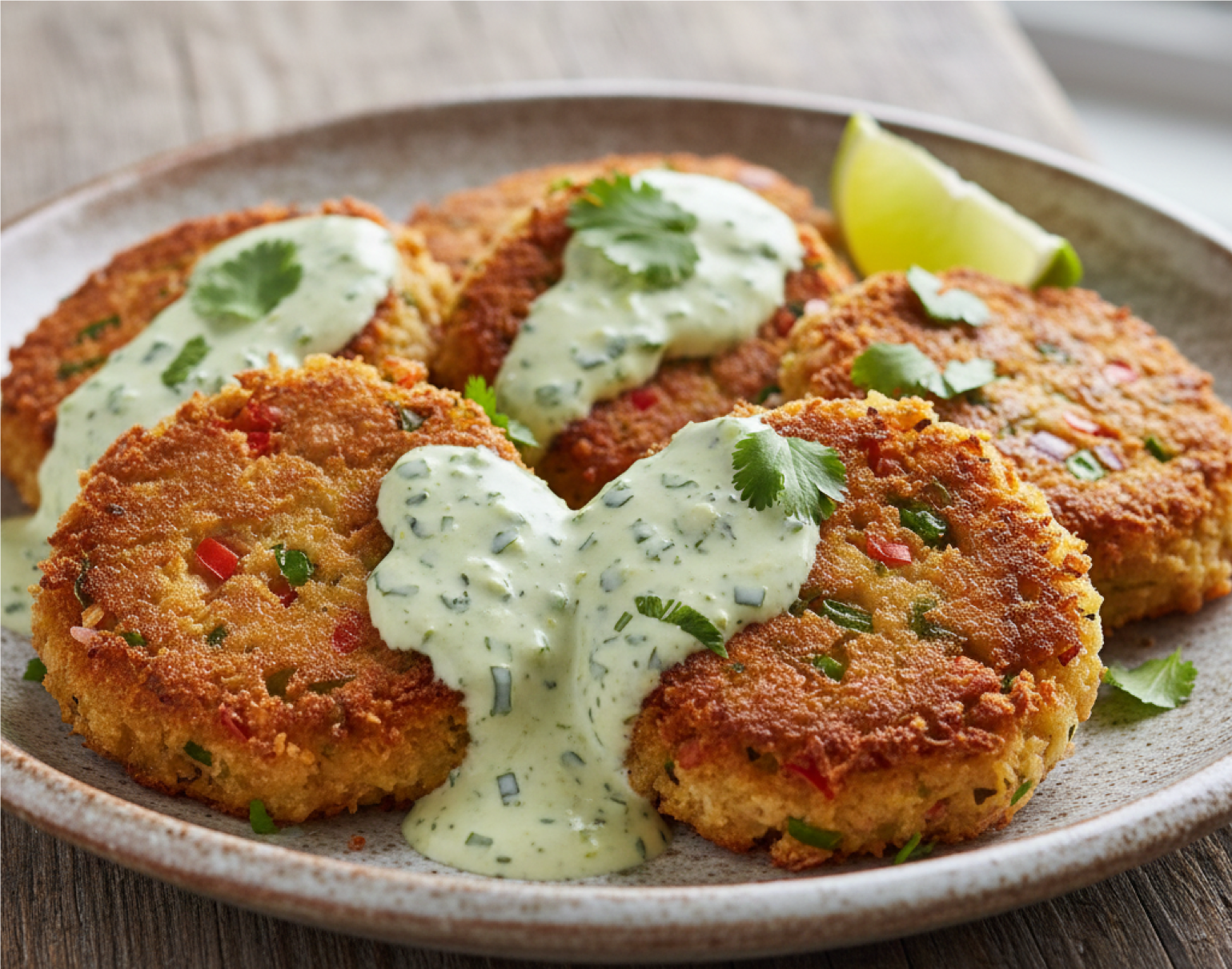
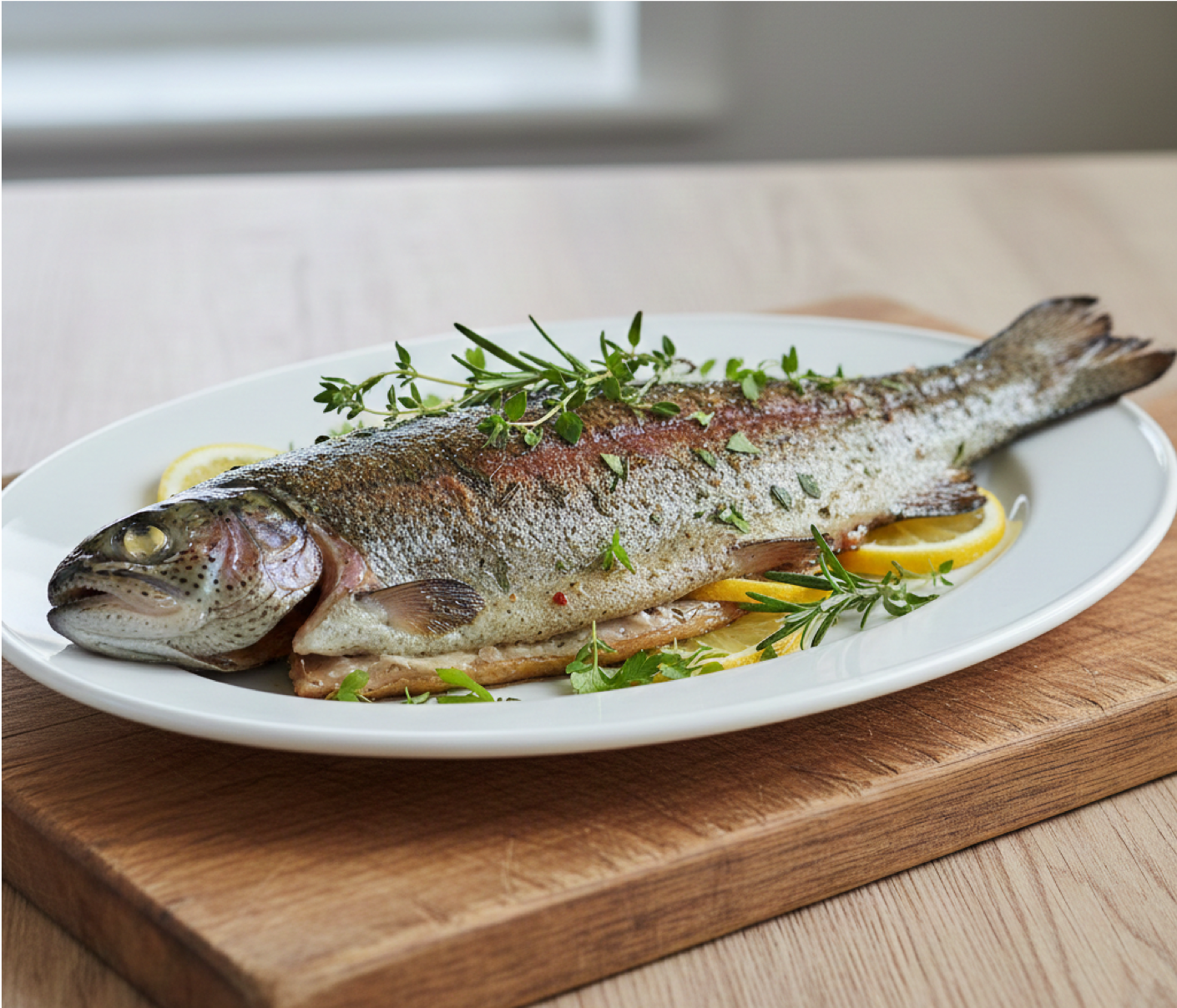
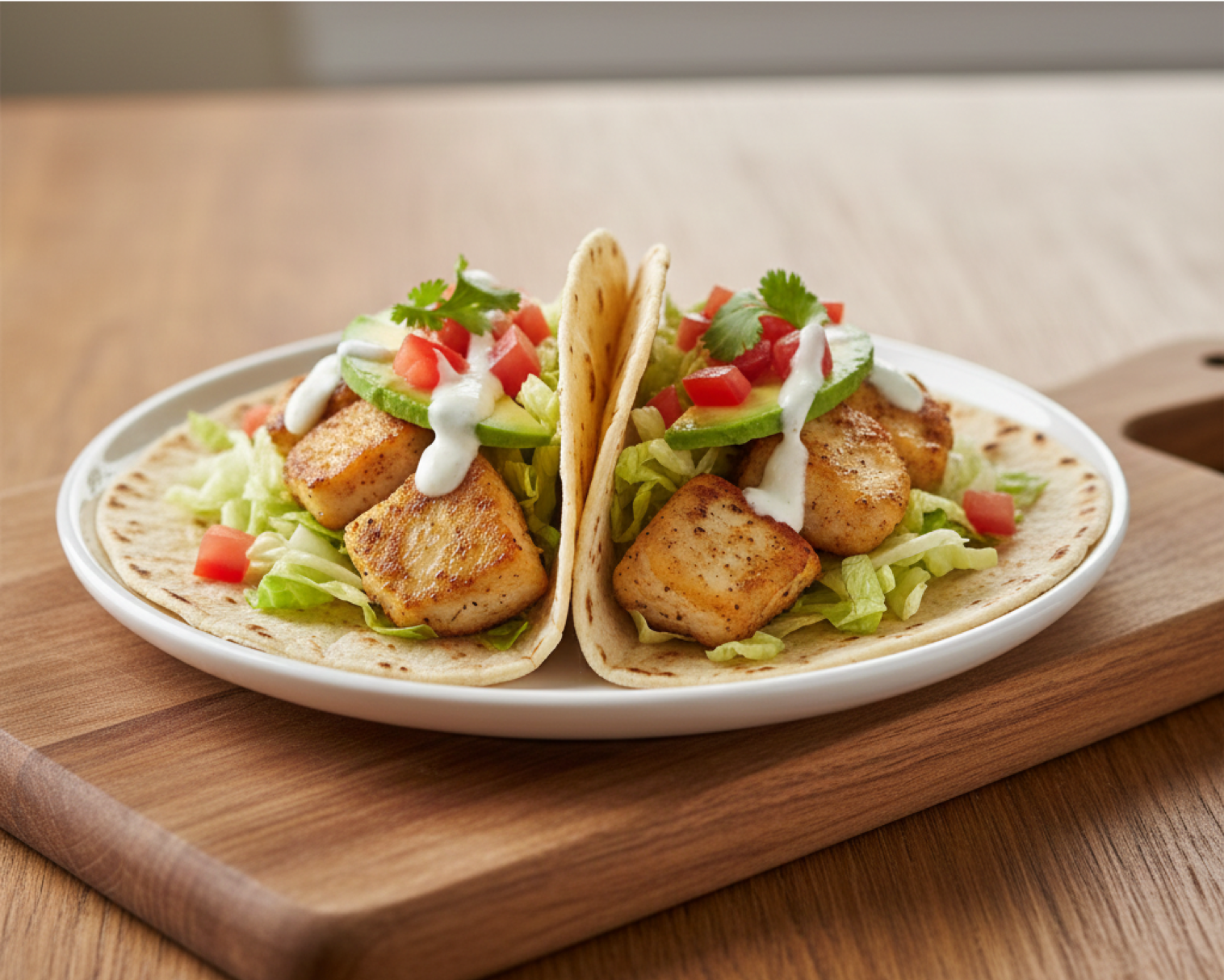
From crispy fish cakes to zesty fish tacos, these are some of the most popular freshwater fish recipes on the site — all proven crowd-pleasers.

View All Recipes ›

The Best Meal You've Never Cooked

"Walleye is widely considered the best-tasting freshwater fish in North America — and most people have no idea how to cook it."

Whether you just pulled a walleye from a cold lake or spotted fresh perch at the market, freshwater fish deliver some of the cleanest, most versatile flavor in the kitchen. They fry crispy, bake flaky, and take bold sauces better than most saltwater fish. Our freshwater fish cooking guide covers the best way to cook walleye, trout, perch, pike, bluegill, and catfish — with easy fish dinner ideas for every night of the week.
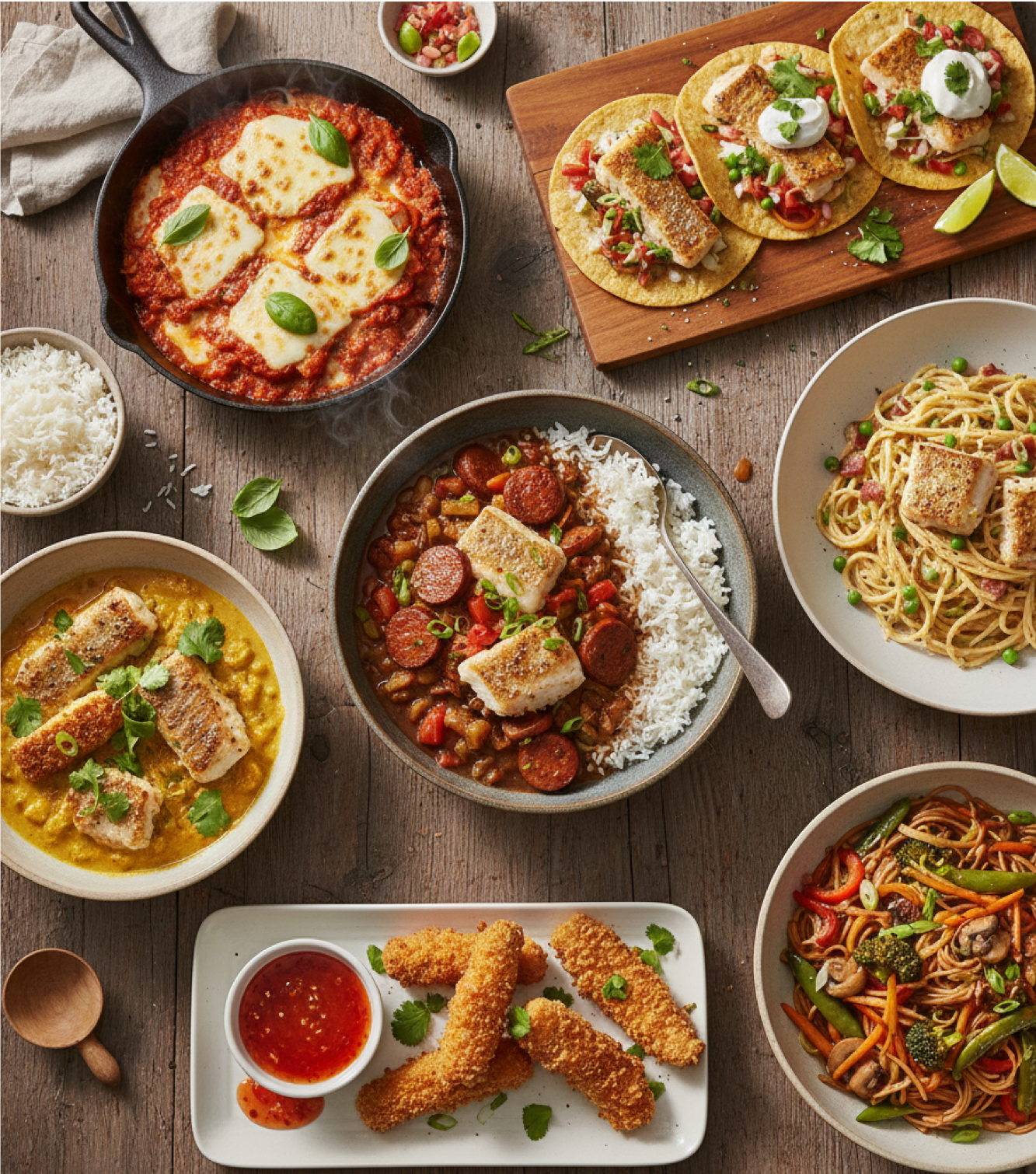
A spread of finished walleye dishes including walleye tacos, walleye chowder, crispy walleye fingers, and walleye pasta from the Complete Walleye Recipe Cookbook

Cook Freshwater Fish Like a Pro

From filleting a fresh-caught walleye to mastering a beer batter, these guides cover everything you need to know about cooking freshwater fish.

View All Guides ›

Take These Recipes Everywhere You Go

Both freshwater fish recipe cookbooks feature full-color photography, easy-to-follow instructions, and recipes for walleye, trout, perch, pike, bluegill, and catfish — available now on Amazon.

Walleye Cookbook

The Complete Walleye Recipe Cookbook

49 easy walleye recipes covering every cooking method — frying, baking, grilling, curries, chowders, fish tacos, pasta, and salads — with full-color photos of every finished dish.

  • Crispy walleye fingers, walleye cakes, and walleye tostadas
  • Walleye curry, walleye linguine, and grilled walleye kabobs
  • Salads, chowders, and pasta dishes for every occasion
  • Drink pairing tips for every recipe
Get It on Amazon — $22.99
Freshwater Cookbook

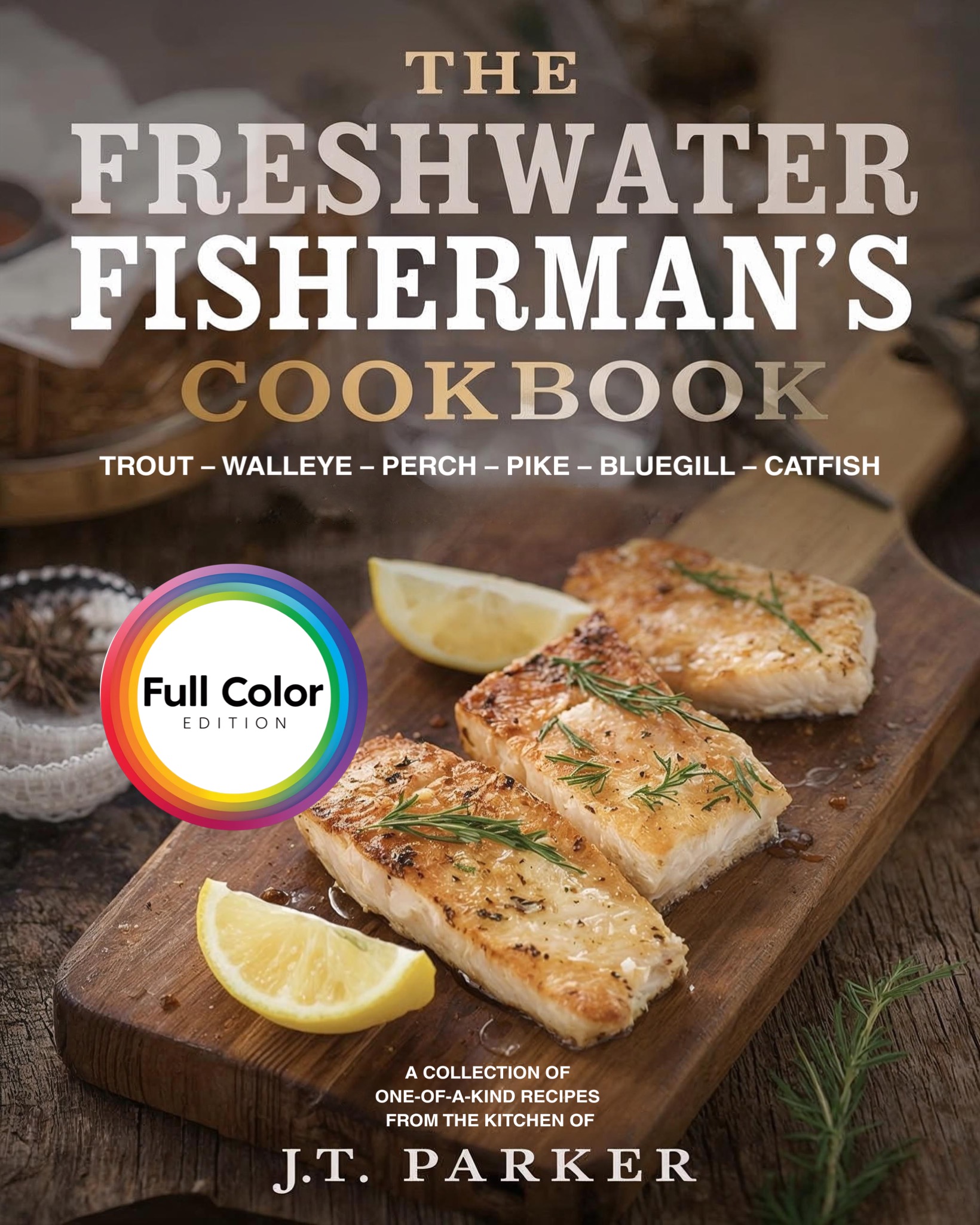
The Freshwater Fisherman's Cookbook

The ultimate freshwater fishing recipe book — trout, walleye, perch, pike, bluegill, and catfish recipes for grilling, baking, frying, and smoking, with full-color photos throughout.

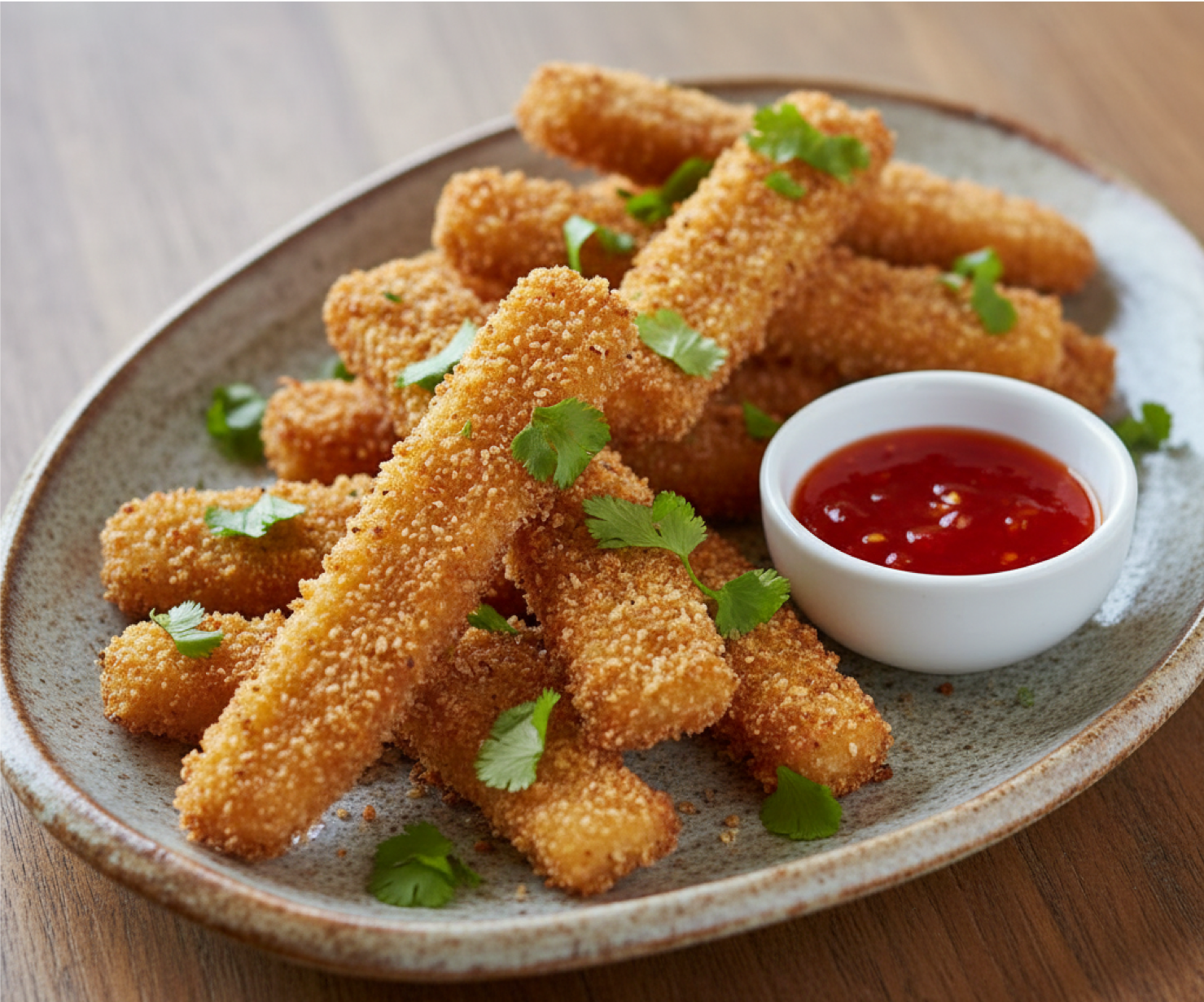
  • Grilled trout, beer-battered walleye, and perch ceviche
  • Smoked pike dip, bluegill curry, and catfish po' boys
  • Chowders, bakes, and party-ready appetizers
  • Recipes for every skill level from beginner to experienced
Get It on Amazon — $21.99

Freshwater Fish Cooking FAQ

Walleye is best cooked by pan-frying in butter, baking at 400°F for 12–15 minutes, or grilling over medium-high heat. Its mild, flaky flesh pairs well with simple seasonings like lemon, garlic, and fresh herbs. For a more complete breakdown, see our full walleye cooking guide.
Walleye should reach an internal temperature of 145°F (63°C). At this point the flesh will be fully opaque and flake easily with a fork. Use an instant-read thermometer inserted into the thickest part of the fillet for an accurate reading.
Walleye is widely considered the best-tasting freshwater fish in North America for its mild, sweet flavor and firm texture with almost no fishy taste. Yellow perch, trout, and bluegill are also highly regarded. See our complete freshwater fish ranking to compare all six species.
Absolutely — walleye is one of the best choices for fish tacos. Its firm texture holds up to heat and seasoning, and its mild flavor pairs beautifully with lime slaw, avocado, and chipotle sauces. Try our walleye tacos with cilantro lime slaw recipe for a full step-by-step guide.
Great beginner recipes include crispy walleye fingers, grilled trout with lemon and herbs, and perch tacos. All use simple ingredients and come together in under 30 minutes. Our guide to frying fish is also a great starting point.
Soak fillets in cold salted water or a milk bath for 30–60 minutes before cooking, then rinse and pat completely dry. Fresh-caught fish that is properly cleaned, bled immediately after catch, and kept on ice has very little fishy taste to begin with. Cooking at the right temperature and not overcooking also makes a significant difference.